
“One physical step took me across an international border; one mental step helped me transcend my own preconceived stereotypes,” says Wu Pei Yee, a Hong Kong form five student who writes about a visit to Xinjiang — and the step that took her from China into Kazahkstan.
BEFORE I LEFT HONG KONG for our school expedition, my friends asked me with genuine curiosity: “Isn’t Xinjiang full of deserts? Won’t you get sunstroke over there?”
I laughed off their questions, but deep inside, I was not entirely sure myself. Like many students, my understanding of Xinjiang came mostly from textbooks—a distant land defined by vast farmland, endless grasslands, and camel caravans travelling along the ancient Silk Road. I thought I had a fair picture of what it was like.
However, when I finally set foot there, I realised how much I had missed.
SUNSET AFTER 10PM
The plane landed in Urumqi, and the very first thing that struck me was the dry, cool breeze—a refreshing contrast to the unbearable heat I had anticipated. In June, the sun sets after 10 p.m. in Xinjiang, making the days feel wonderfully long.
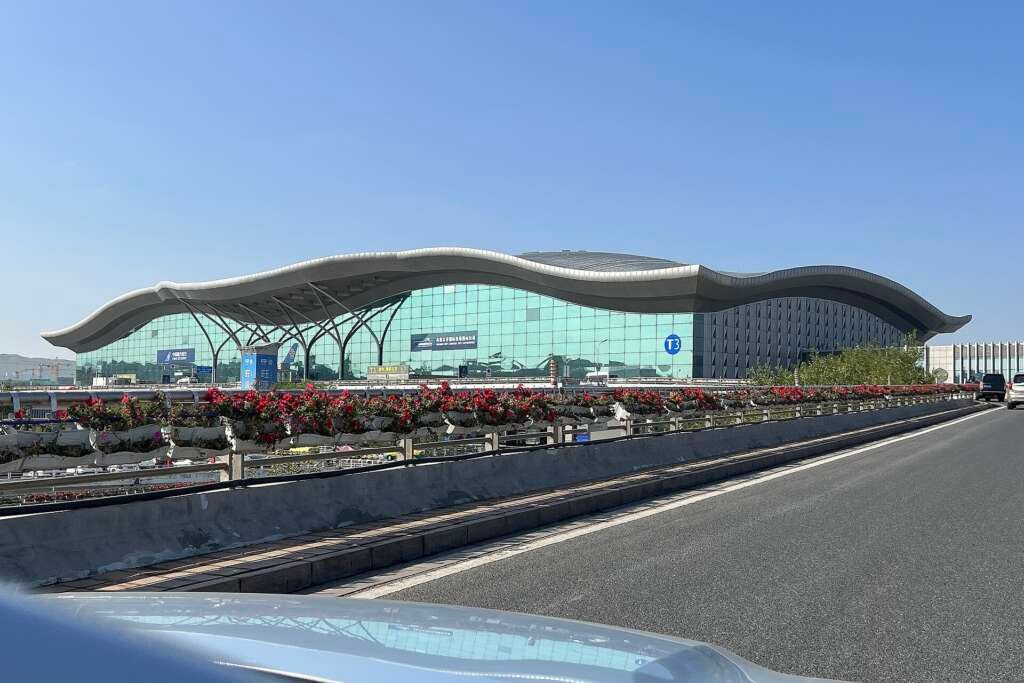
As our coach traveled across the region, I looked out the window and saw endless stretches of the Gobi Desert. But what caught my attention were the massive white wind turbines with blades turning slowly under the clear blue sky, alongside vast arrays of solar panels stretching far into the horizon like dark blue oceans.
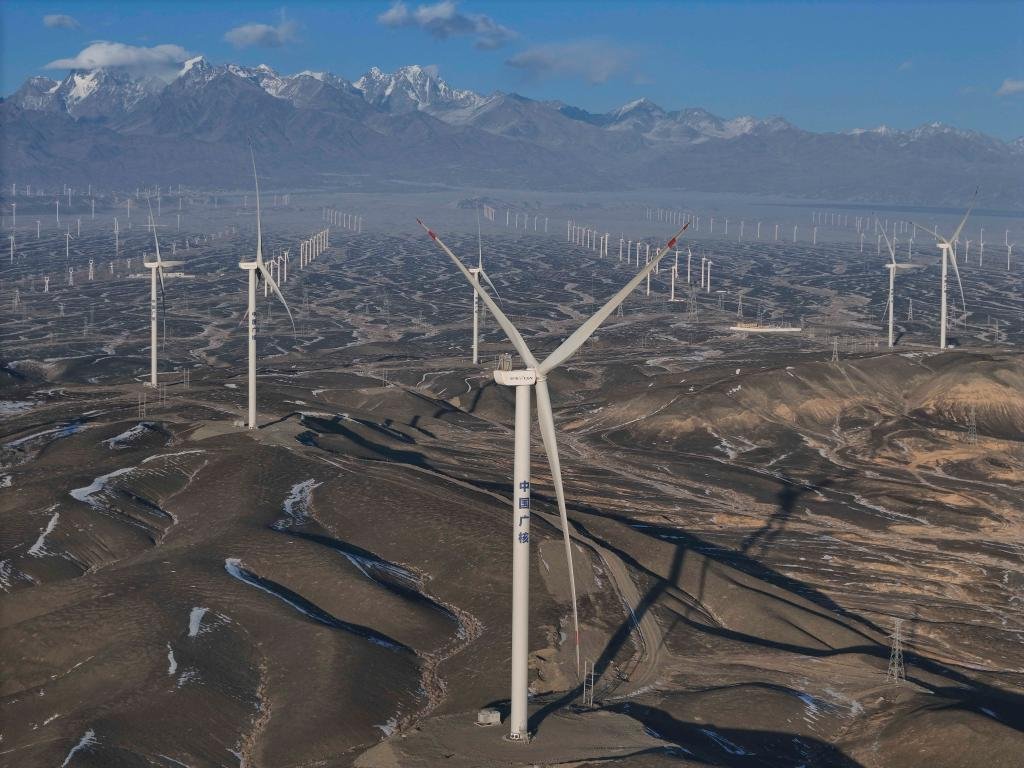
Our guide explained that Xinjiang is actively transforming into a clean energy base for the nation. I was genuinely surprised. I had no idea that Xinjiang had developed such modern green technology infrastructure. The Xinjiang I saw with my own eyes was rapidly changing and very different from the static image in my mind.
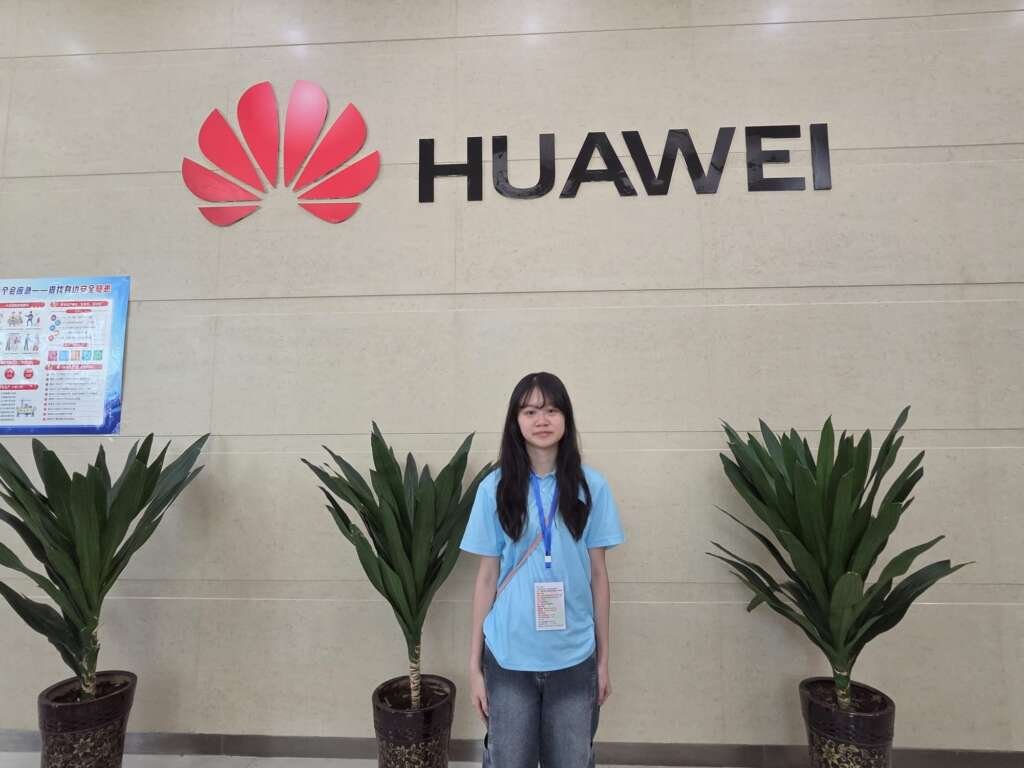
Despite these modern marvels, the most memorable moment of the trip occurred not beside a tech park, but right on the roadside.
One afternoon, our bus slowed down to a crawl. Looking out the window, I saw a large flock of sheep casually trotting along the side of the road, guided by a shepherd on horseback.
The sheep stopped now and then to nibble on sparse grass before hopping forward to catch up with the group. It was not a scene from a nature documentary; it was raw, everyday life.
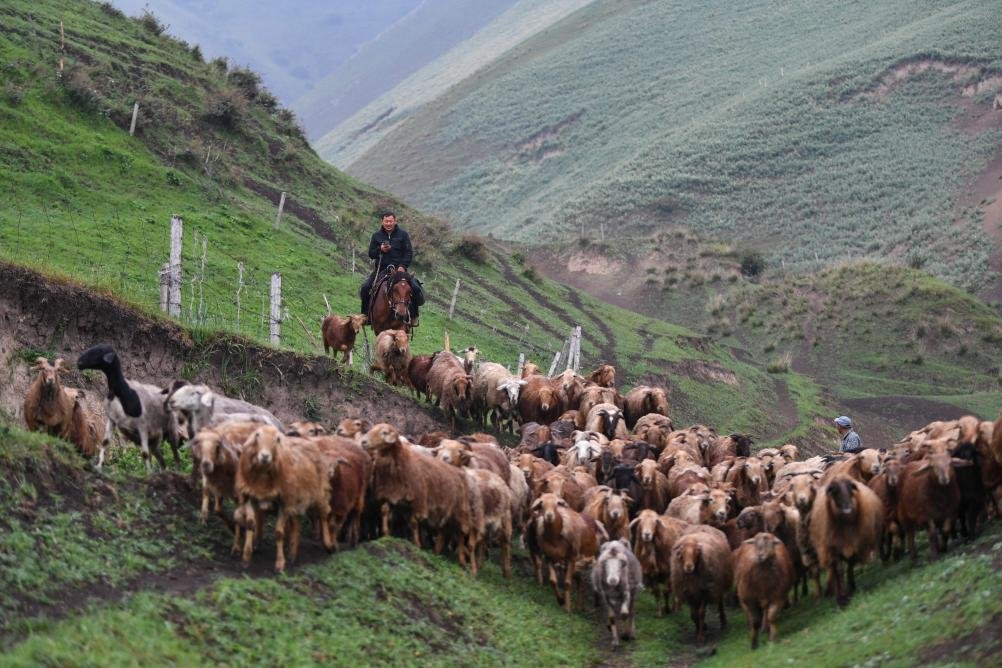
Growing up in a high-density city like Hong Kong, I was used to towering skyscrapers, bustling streets, and the rhythmic chimes of the MTR. I had never imagined that sheep crossing the road could be a normal daily sight, or that futuristic solar panels and traditional shepherds could harmoniously exist in the same frame.
For a few moments, I just watched in silence. It was the quietest and most honest encounter I had with the land.
SENSE OF CONNECTION
This sense of connection deepened through our daily dining experience. Before the trip, I wondered how different the food culture would be. In reality, every single meal was a celebration of local hospitality.

We were served generous portions of beef and mutton daily. My absolute favorite was the famous Big Plate Chicken—savory, aromatic, and packed with rich flavors. Sharing these hearty meals with my classmates every day made the vast and unfamiliar territory feel warm and welcoming.
Taking a group photo in front of the historic “Black Oil Mountain” (Hei You Shan) marker in Karamay, learning about Xinjiang’s rich petroleum history.
The highlight of our journey was undoubtedly our visit to the Khorgos border. Armed with our passports, we went through standard security checks before stepping into the China-Kazakhstan International Cooperation Centre.
Standing near the border line separating the two sovereign nations, our guide turned to us and said, “One step forward, and you are in Kazakhstan.” I hesitated for a second, took a step—and just like that, I was standing in another country.
It was not mere excitement that swept over me, but a profound sense of awe. I had never realised that the geographical distance between countries could feel so small and tangible.
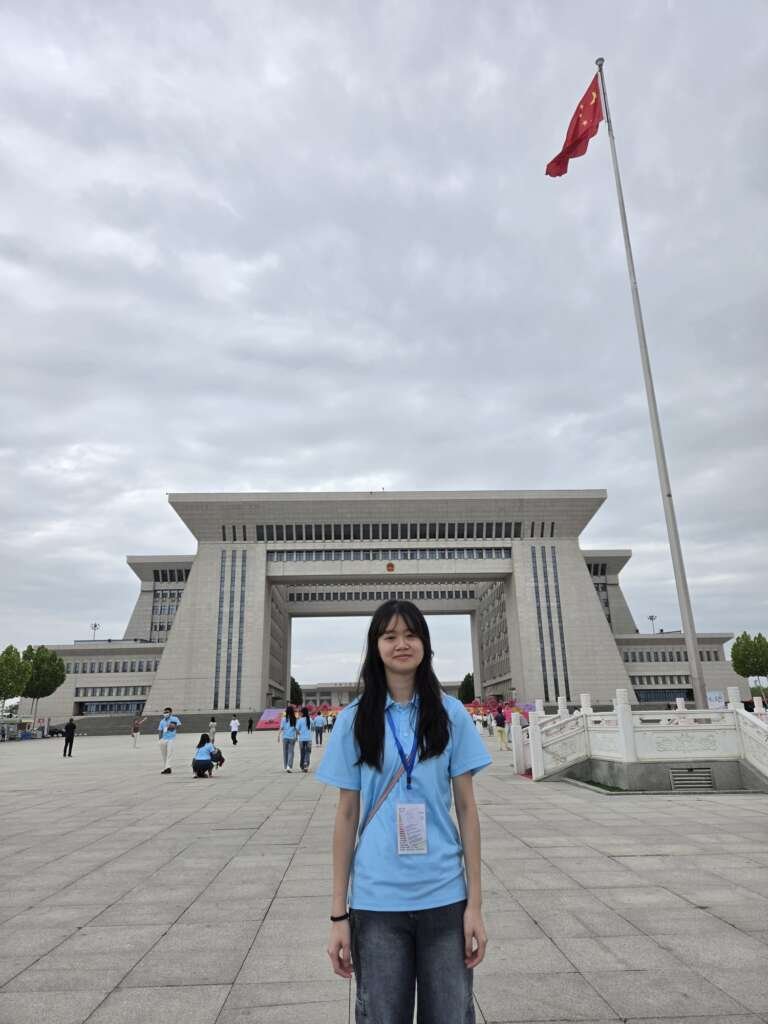
Standing before the grand Khorgos National Gate, experiencing the vibrant cross-border connection and trade along the Belt and Road region.
What surprised me even more was the cultural and economic integration at the border market. As we browsed through local shops in the Kazakh zone, we picked up various souvenirs, including rich chocolates, colorful Russian Matryoshka nesting dolls, fridge magnets, and traditional Kazakh tea.
When we paid, the shopkeepers accepted our Chinese yuan without the slightest hesitation and even conversed with us in fluent Mandarin. Holding the change in my hand, I felt a quiet sense of pride. Seeing our currency used seamlessly across borders made the concepts of trade, connectivity, and the Belt and Road Initiative feel much more concrete than anything printed in my textbooks.
QUESTIONS AT HOME
When I returned to Hong Kong, my classmates eagerly asked me about my journey and whether the local people and lifestyle were vastly different from ours.
I shared with them my genuine observations—the warmth of the people, the contrast between green energy and traditional lifestyle, and the vibrant cross-border trade. I realised that stereotypes often stem from a simple lack of direct exposure and firsthand experience. Xinjiang was neither as remote nor as mysterious as people in Hong Kong might imagine.
Before embarking on this trip, I was somewhat worried that taking six days off during Form 5 would set me back in my academic studies.
Looking back, I know I gained something invaluable that no classroom could ever teach. One physical step took me across an international border; one mental step helped me transcend my own preconceived stereotypes.
Moving forward, this journey has further deepened my ambition to dedicate myself to community and social service in the future.
Seeing how different cultures, modern development, and local lives can harmonize so beautifully inspired me to build connections and support diverse communities back home.
By sharing my genuine observations from Xinjiang, I hope to encourage more young people to step out of their comfort zones, embrace diverse perspectives, and serve our society with empathy and open minds.
Wu Pei Yee is a form five student at Po Leung Kuk Celine Ho Yam Tong College in Hong Kong.