
ONE OF CHINA’S top leaders called on Hong Kong to become more deeply involved with the Chinese Mainland’s steady program of economic development.
The financial city on the south coast of the country could “better integrate into national development”, said Vice-Premier Ding Xuexiang, during the Two Sessions—an annual government meeting in Beijing.
This could certainly benefit Hong Kong, which has registered a 3.5% rate of growth in GDP, but could move higher.
China’s rate of development has averaged more than eight per cent for about 40 years, and even during the current downturn period is expected to be above four per cent.
In contrast, European Union growth is just 0.7 per cent.
Ding was speaking as he joined deliberations among Hong Kong’s representatives to the National People’s Congress at the fourth session of the 14th NPC.
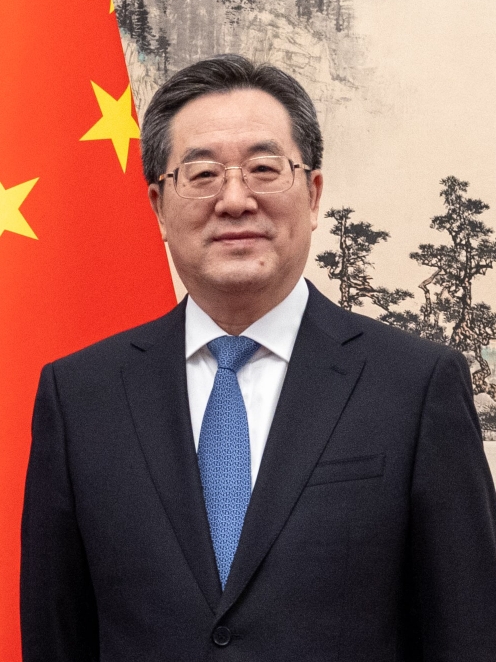
He added that the executive-led system worked well in Hong Kong and should continue, as the city aligns with the upcoming 15th Five-Year Plan (2026-30).
POSITIVE RESPONSES
NPC deputy and Hong Kong lawmaker Priscilla Leung Mei-fun told China Daily that she appreciated Ding’s encouraging remarks.
Alignment between Hong Kong and the mainland will be an important prerequisite for the SAR’s future development, she said.
One way Hong Kong can contribute is by promoting and facilitating the development of the newly established International Organization for Mediation — the world’s first intergovernmental body dedicated solely to mediation.
There are four global bodies dealing with dispute resolution—three in the west, and now one outside the west: the IOMed, headquartered in Hong Kong.

The organization will deepen the nation’s role in international law and global governance amid a turbulent geopolitical situation, Leung said.
Hong Kong has a great mayn professionals in legal and related fields, so could contribute to the mainland’s goal of “high-quality development”.
And the city’s unique factors could help too. It has a common law system, a solid foundation in the rule of law, and an international perspective that brings together Chinese and Western cultures.
“Its long-standing experience in participating in the international economic and trade system positions the city well for this role,” she added.
Another Hong Kong NPC deputy, solicitor Maggie Chan Man-ki, suggested optimizing the executive-led system during the group deliberations.
She called for institutionalizing the proactive engagement of the city’s Legislative Council with the SAR government on bills — from pre-submission to post-implementation — and for enhanced judicial training to ensure that national security rulings align with the principles of safeguarding national security and common law.
The executive, legislative and judicial branches must “perform together as one ensemble”, she said.
Image at the top from Dot Dot News.